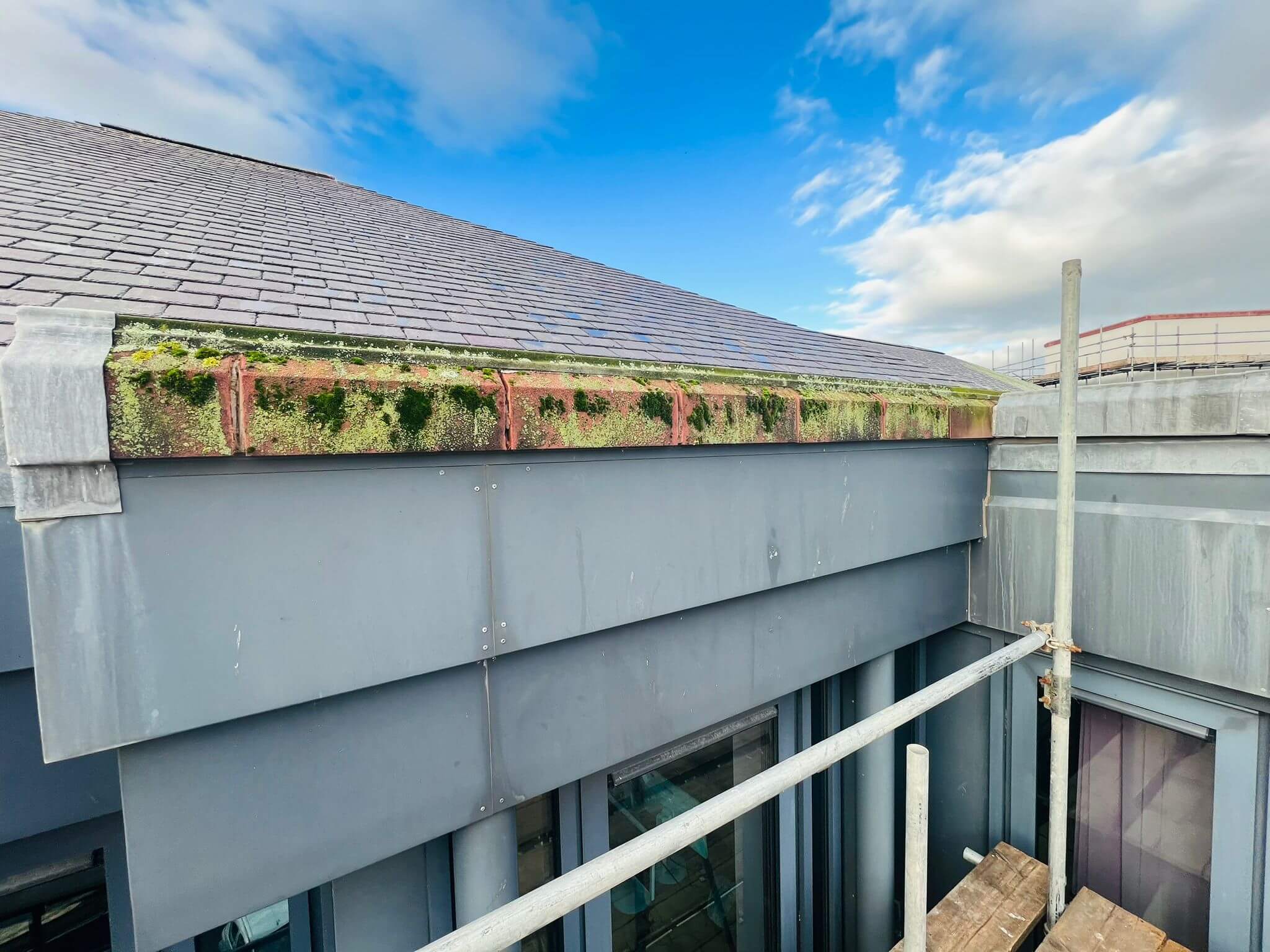
Render is one of the most popular exterior finishes used on homes and commercial buildings across the UK. It offers a clean, modern appearance while also protecting the underlying structure from weather exposure. From traditional sand and cement render to modern silicone and acrylic finishes, render provides a durable and attractive façade. However, like any exterior surface, render requires maintenance to keep it looking its best.
One of the most common questions property owners ask is how often render should be cleaned. While render is designed to withstand the elements, it is constantly exposed to moisture, pollution, organic growth, and environmental debris. Over time, these factors can cause staining, algae growth, and discolouration.
Regular render cleaning not only restores the appearance of a property but also helps prevent long-term deterioration. In this guide, we explore how often render should be cleaned, what factors influence cleaning frequency, and why professional cleaning plays an important role in maintaining exterior walls.
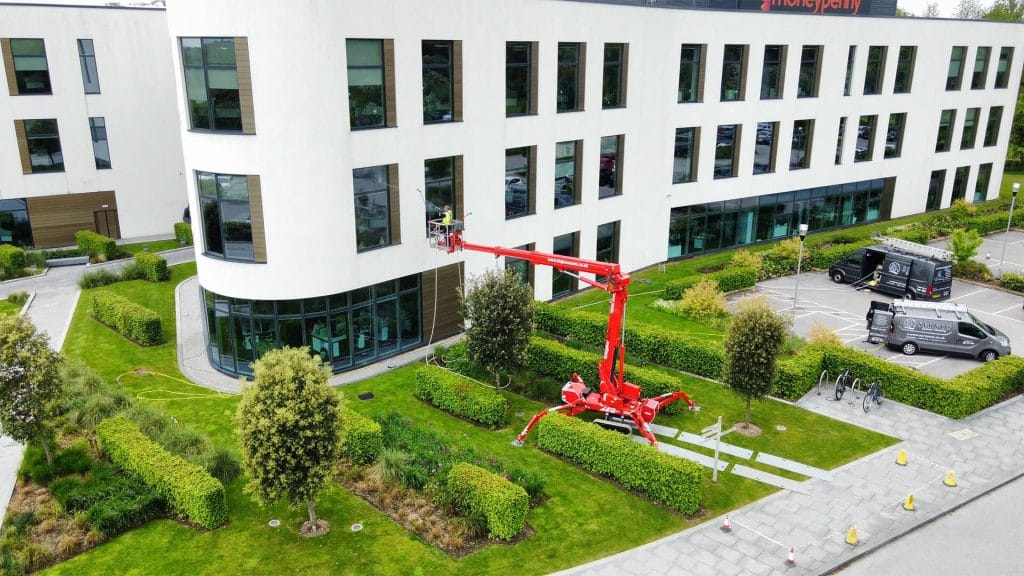
Why Render Gets Dirty Over Time
Render is exposed to the outdoor environment every day. Rain, wind, airborne particles, and organic matter gradually build up on exterior walls, affecting their appearance.
Because render is slightly porous, moisture can cling to its surface. This makes it easier for contaminants such as algae, moss, and pollution to settle and grow. Lighter-coloured render often shows these marks more clearly, which is why staining becomes noticeable even when the underlying structure remains sound.
In many cases, the issue develops slowly. What begins as small patches of algae or light staining can eventually spread across large sections of the façade if left untreated.
The Typical Cleaning Frequency for Render
For most properties in the UK, render should be professionally cleaned every three to five years. This timeframe helps prevent heavy staining from becoming established and ensures the exterior walls remain well-maintained.
However, this is only a general guideline. The ideal cleaning frequency depends on several factors, including location, environmental conditions, and the type of render used. Some buildings may require cleaning more frequently, particularly if they are located in damp areas or surrounded by trees.
Factors That Affect How Often Render Needs Cleaning
Climate and Weather Conditions
The UK’s climate plays a significant role in how quickly render becomes discoloured. Damp conditions encourage the growth of algae and moss, particularly in areas with high rainfall or humidity. Properties located in coastal or rural environments may also experience faster build-up of organic growth due to increased moisture levels.
Orientation of the Building
The direction a wall faces can influence how quickly render becomes dirty. North-facing walls typically receive less sunlight, meaning they stay damp for longer after rainfall. This creates ideal conditions for algae growth. South-facing walls, on the other hand, receive more sunlight and tend to dry more quickly, which slows the growth of organic contaminants.
Surrounding Environment
Buildings located near trees, hedges, or dense vegetation are more likely to experience staining. Falling leaves, pollen, and organic debris can settle on exterior walls and encourage biological growth. Urban environments also present challenges. Pollution from vehicles and industry can cause dark streaks or general dullness on render surfaces.
Type of Render Finish
Different render systems respond differently to environmental exposure. Modern silicone renders are designed to repel water and resist algae growth, but they can still develop staining over time.Traditional sand and cement render may absorb more moisture, making it more susceptible to organic growth if not maintained properly. Understanding the type of render installed on your property can help determine the best cleaning schedule.
Signs Your Render Needs Cleaning
Rather than waiting for severe staining to develop, property owners should watch for early signs that cleaning is needed. These indicators often appear gradually but become more noticeable over time.
Common signs include:
- Green algae growth on exterior walls
- Dark streaks beneath gutters or rooflines
- Patchy staining or uneven colour across the render
- Black marks caused by pollution or weathering
- General dull or dirty appearance
If these issues begin to appear, professional render cleaning can restore the surface before staining becomes more deeply embedded.
Why Regular Render Cleaning Matters
Some homeowners assume render cleaning is purely cosmetic. While appearance is an important factor, regular cleaning also helps protect the integrity of the surface. Organic growth such as algae and moss retains moisture against the render. Over time, this can lead to gradual deterioration, particularly in colder months when trapped moisture freezes and expands.
Removing contaminants allows the render to dry properly, reducing the risk of damage and helping maintain the protective qualities of the exterior finish. Regular cleaning also preserves the value and kerb appeal of a property, which can be particularly important for homeowners considering selling or renting their property in the future.
The Risks of Leaving Render Uncleaned
When render is left untreated for long periods, staining can become more difficult to remove. Organic growth spreads across the surface, creating larger patches of discolouration that require more intensive cleaning.
In some cases, severe staining can lead property owners to believe the render needs repainting or replacement. However, many of these situations could have been avoided with earlier maintenance. Allowing dirt and growth to accumulate also increases the likelihood of uneven staining patterns, making the façade appear aged or poorly maintained.
Safe Methods for Cleaning Render
The cleaning method used is just as important as the frequency of cleaning. Render can be sensitive to aggressive techniques, particularly high-pressure washing. Professional render cleaning usually involves softwashing, a method that uses specialist cleaning solutions applied at low pressure. These solutions break down algae, moss, and organic staining before the surface is gently rinsed.
Softwashing is widely considered the safest and most effective approach because it cleans the render without damaging its structure or forcing water into the wall. High-pressure washing, by contrast, can damage render finishes, strip protective coatings, or drive water into small cracks.
Preventing Render from Becoming Dirty Too Quickly
Although render will always be exposed to environmental contaminants, certain steps can help slow the rate at which staining develops.
Keeping gutters clear and ensuring water drains correctly prevents dirty water from running down exterior walls. Trimming back nearby trees can improve airflow and allow sunlight to reach the render surface, discouraging algae growth.
Regular inspections can also help identify early staining before it spreads across larger areas.
By combining these preventative measures with periodic professional cleaning, property owners can keep render looking fresh for much longer.
Maintain Your Render the Right Way
Render is a durable and attractive exterior finish, but it benefits from regular maintenance. Cleaning render every three to five years is typically sufficient for most properties, although environmental conditions may require more frequent attention.
Understanding the causes of staining and choosing safe cleaning methods ensures the surface remains protected while maintaining its appearance. If your render has started to look dull, patchy, or stained, professional cleaning can restore it safely and effectively.
Get In Touch
Servos Exterior Cleaning specialises in professional commercial render cleaning and residential render cleaning using safe softwashing techniques that remove algae, staining, and environmental contamination without damaging the surface.
To arrange a free quote or discuss your render cleaning requirements, call 01745 289055 or email hello@servosuk.co.uk today.