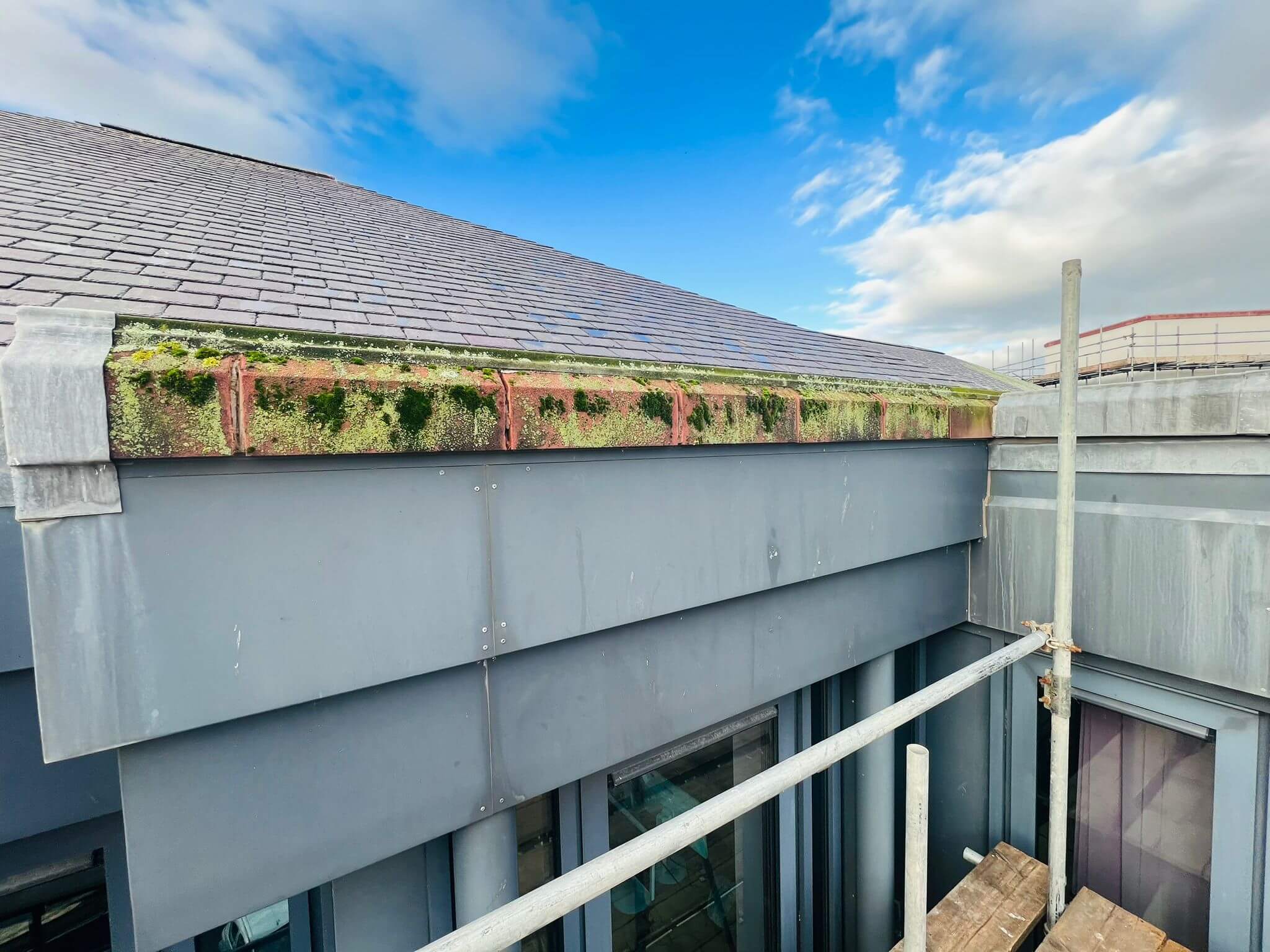
Slate roofs are prized for their natural appearance, longevity, and ability to withstand the UK’s varied weather conditions. Found on period homes, listed buildings, and modern properties alike, slate roofing is one of the most durable materials available. However, despite its strength, slate is not maintenance-free. Over time, moss, algae, lichen, and pollution can build up on the surface, affecting both appearance and performance.
When it comes to roof cleaning for slate roofs, the method used matters more than most homeowners realise. Choosing the wrong approach can cause irreversible damage, shorten the lifespan of the roof, and lead to costly repairs. This guide explains what’s safe, what to avoid, and how professional slate roof cleaning protects your property long-term.

Understanding Slate as a Roofing Material
Slate is a natural stone that is split into thin tiles. While it is extremely durable, it is also layered and relatively brittle compared to concrete or clay tiles. This means slate can crack, delaminate, or shift if subjected to excessive force or incorrect cleaning techniques.
Slate is also slightly porous. Moisture, organic growth, and airborne pollutants can settle into the surface, particularly on north-facing or shaded roof slopes. If left untreated, this build-up can retain moisture, increase freeze-thaw stress, and accelerate wear on both the slate and the fixings beneath.
Understanding these characteristics is essential before attempting any form of roof cleaning.
Why Slate Roofs Need Careful Cleaning
Many homeowners delay cleaning because slate roofs often still look structurally sound, even when covered in moss or staining. However, visible growth is usually a sign of deeper issues developing beneath the surface.
Moss and lichen trap moisture against slate tiles, preventing them from drying naturally after rainfall. In winter, this retained moisture freezes and expands, increasing the risk of cracking or surface flaking. Organic growth can also lift tiles slightly, allowing wind-driven rain to reach the underlay and battens.
Regular, appropriate cleaning helps prevent these issues, maintaining both the appearance and integrity of a slate roof.
Safe Roof Cleaning Methods for Slate Roofs
Softwash Roof Cleaning for Slate
Softwashing is widely regarded as the safest and most effective method for cleaning slate roofs. Rather than relying on force, softwashing uses low pressure combined with specialist, roof-safe cleaning solutions.
The process works by breaking down moss, algae, and lichen at a biological level. This allows growth to be removed gently without disturbing the slate tiles or driving water beneath them. A biocidal treatment is often applied to kill remaining spores, helping prevent rapid regrowth.
Softwash roof cleaning is particularly suitable for slate because it avoids mechanical stress and preserves the natural surface of the stone.
Low-Pressure Steam Cleaning (Specialist Use)
In some cases, low-pressure steam cleaning may be used on slate roofs, particularly for stubborn contamination or heritage properties. Steam cleaning uses heat rather than pressure to lift dirt and organic growth.
This method must be carried out by experienced professionals, as incorrect temperatures or techniques can damage fixings or cause thermal shock. When used correctly, steam cleaning can deliver excellent results while maintaining the roof’s integrity.
Roof Cleaning Methods to Avoid on Slate Roofs
High-Pressure Washing
High-pressure washing is one of the most common causes of slate roof damage. While it may appear to clean the surface quickly, the force of the water can crack slate tiles, dislodge fixings, and strip away the protective surface layer.
Pressure washing also forces water beneath the tiles, increasing the risk of leaks, damp, and internal damage. Any short-term visual improvement is usually outweighed by long-term repair costs.
Abrasive Cleaning Methods
Mechanical scraping, wire brushing, or abrasive pads should never be used on slate roofs. These methods damage the stone surface, leaving it rougher and more susceptible to future contamination.
Abrasive techniques can also weaken tile edges, making them more likely to crack during temperature changes or high winds.
Harsh Chemical Treatments
Uncontrolled or inappropriate chemical use can stain slate, damage surrounding materials, and affect vegetation below. Professional roof cleaning uses carefully measured, slate-safe solutions that clean effectively without causing chemical burn or residue issues.
The Importance of Professional Slate Roof Cleaning
Slate roof cleaning is not a DIY task. Working at height, handling delicate materials, and selecting the correct cleaning method all require experience and training.
Professional roof cleaning specialists carry out a full assessment before any work begins. This includes checking tile condition, fixings, roof pitch, drainage points, and areas of heavy growth. The cleaning approach is then tailored to suit the specific slate type and age of the roof.
This expertise ensures cleaning improves the roof’s condition rather than compromising it.
How Often Should Slate Roofs Be Cleaned?
There is no single answer, as cleaning frequency depends on location, exposure, and surrounding environment. Properties near trees, coastal areas, or busy roads may experience faster build-up of moss and pollutants.
As a general guide, slate roofs benefit from professional cleaning every three to five years, with inspections carried out more regularly. Early intervention helps prevent heavy growth that requires more intensive treatment.
The Benefits of Cleaning Slate Roofs Correctly
When carried out using safe, professional methods, slate roof cleaning delivers several long-term benefits.
A clean roof improves kerb appeal and protects property value, particularly for period or listed homes. Removing moss and algae reduces moisture retention, lowering the risk of frost damage and tile failure. Clean roofs also improve drainage, reducing the likelihood of blocked gutters and water overflow.
Most importantly, correct cleaning extends the lifespan of the slate roof, delaying the need for costly repairs or replacement.
Common Mistakes Homeowners Make with Slate Roofs
One of the biggest mistakes is assuming all roof cleaning methods are the same. Choosing a contractor who uses pressure washing can lead to serious damage, even if the roof initially looks clean.
Another mistake is ignoring early signs of growth. Moss and staining rarely resolve on their own and often worsen over time, particularly in damp UK conditions.
Finally, some homeowners delay cleaning due to cost concerns, not realising that preventative maintenance is far more affordable than repairing damaged slate tiles or addressing internal leaks.
Why Experience and Accreditation Matter
Roof cleaning sits at the intersection of property maintenance, health and safety, and material preservation. Choosing an experienced, insured contractor is essential.
Professional roof cleaners should follow strict safety procedures, provide risk assessments and method statements, and use equipment specifically designed for delicate roofing materials. Experience with slate roofs, in particular, is critical, as no two slate installations are exactly the same.
This level of professionalism supports Google’s E-E-A-T principles, demonstrating expertise, experience, and trustworthiness.
Protecting Your Slate Roof for the Long Term
Cleaning is just one part of responsible slate roof care. After cleaning, many professionals recommend a biocidal treatment to slow regrowth. Regular inspections help identify slipped tiles, damaged fixings, or early signs of wear before they develop into major problems.
Combined with safe cleaning practices, this approach keeps slate roofs performing as intended for decades.
Restore Your Slate Roof Safely and Professionally
Slate roofs are an investment in your property’s character and longevity. Cleaning them the wrong way can cause irreversible damage, but using the right method delivers lasting protection and visual improvement.
If your slate roof is affected by moss, algae, or staining, professional softwash or low-pressure steam cleaning offers a safe, effective solution. Avoid high-pressure washing and abrasive methods, and choose specialists who understand how to work with natural slate.
Looking to clean your slate roof safely?
Contact Servos Exterior Cleaning today for expert slate roof cleaning using proven, non-damaging methods. Our experienced team will assess your roof and recommend the safest solution to protect it long-term.
Call 01745 289055 or email hello@servosuk.co.uk to arrange your free quote.