Flat roofs are a common feature on commercial buildings, apartment blocks, extensions, and modern residential properties across the UK. While flat roofing systems are designed to be durable and weather-resistant, they require regular maintenance to perform effectively. One of the most overlooked aspects of flat roof care is professional cleaning.
Without routine cleaning, flat roofs are far more vulnerable to leaks, standing water (ponding), and premature membrane failure. This guide explains why flat roof cleaning is essential, how neglect causes long-term damage, which cleaning methods are safe, and how professional maintenance protects your property and investment.
Understanding Flat Roof Systems
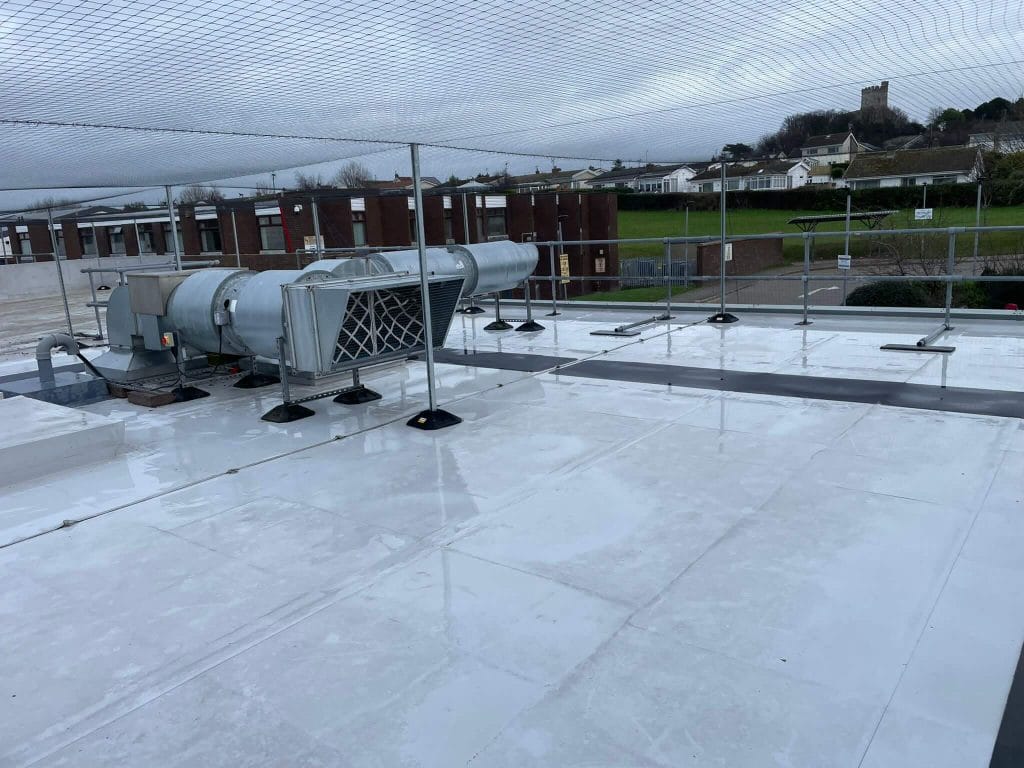
Unlike pitched roofs, flat roofs rely entirely on their waterproof membrane to protect the building below. Common flat roofing materials include felt, EPDM rubber, GRP fibreglass, PVC, and TPO membranes. Each system is designed to shed water gradually via subtle falls and drainage points rather than gravity-assisted runoff.
Because flat roofs do not self-clean as effectively as pitched roofs, debris, organic growth, and water naturally collect on the surface, over time, this build-up interferes with drainage and places unnecessary stress on the roof structure.
Why Flat Roofs Are Prone to Problems Without Cleaning
Flat roofs are particularly susceptible to issues when left unmaintained. Leaves, moss, silt, and airborne debris gather around outlets, seams, and edges. Once drainage points become restricted, rainwater begins to pool on the surface.
Standing water increases the risk of leaks by exploiting weak points in the membrane, including seams, penetrations, and flashing details. In winter, ponding water can freeze, expand, and stress the membrane, increasing the likelihood of cracking or splitting.
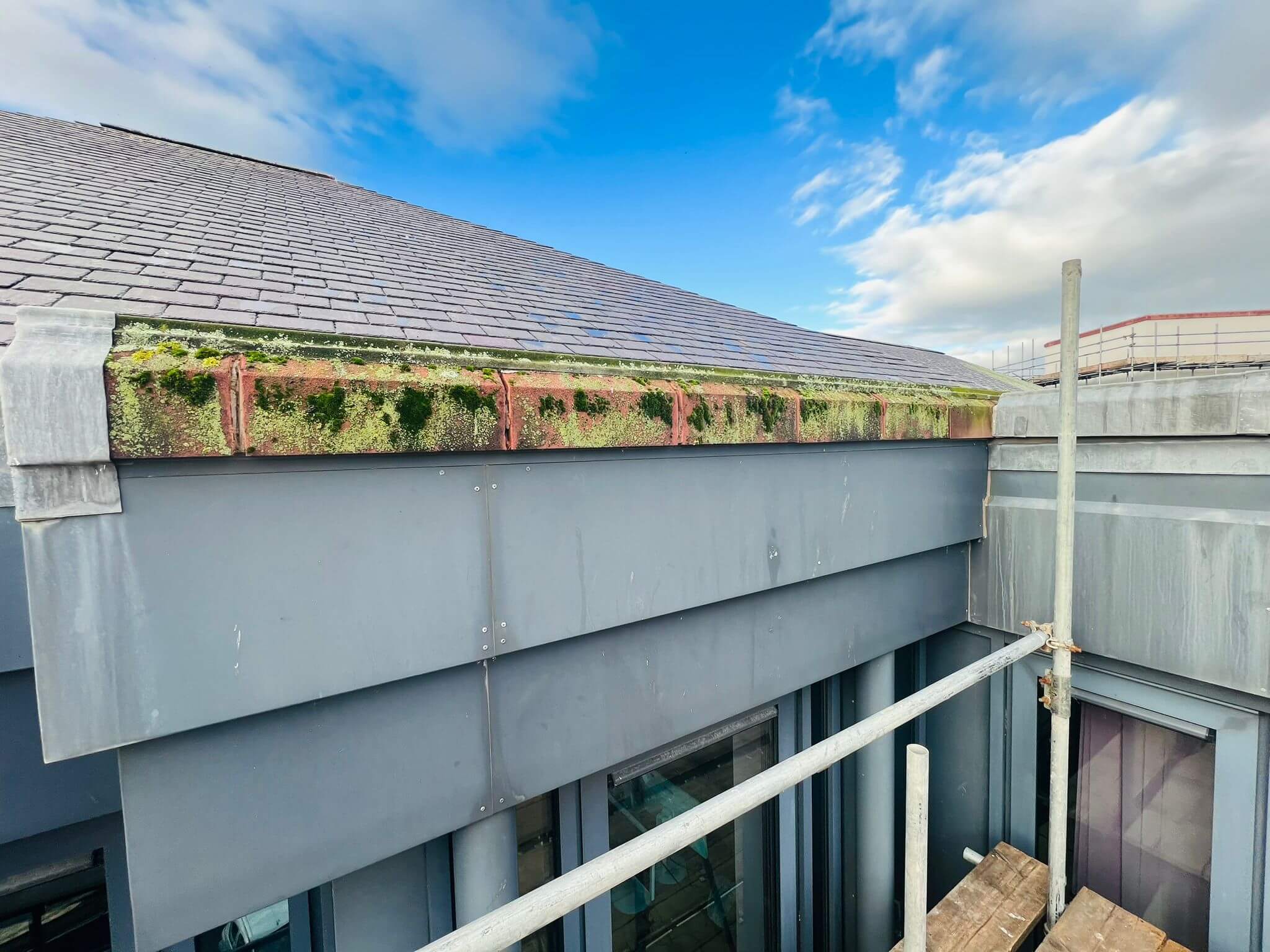
Organic growth, such as algae and moss, also retains moisture, keeping the roof damp for prolonged periods and accelerating surface deterioration.
The Risks of Ponding Water on Flat Roofs
Ponding water is one of the most common and damaging issues affecting flat roofs. Even small areas of standing water can cause significant long-term problems if not addressed.
Prolonged ponding places constant pressure on the waterproof membrane, increasing wear and reducing its lifespan. It also encourages dirt accumulation, making the affected area more vulnerable to UV degradation and biological growth.
In severe cases, persistent standing water can contribute to structural loading issues, particularly on older roofs or those with compromised support.
How Flat Roof Cleaning Helps Prevent Leaks
Leaks rarely occur without warning. In most cases, they are the result of gradual deterioration caused by blocked drainage, trapped moisture, or unnoticed damage.
Professional flat roof cleaning removes debris that obstructs outlets and gutters, allowing rainwater to drain as intended. By keeping the roof surface clean and dry, the membrane is placed under far less stress, reducing the risk of splits, blisters, or seam failures.
Cleaning also improves visibility, making it easier to spot early signs of damage such as cracks, lifting edges, or deteriorating seals around vents and skylights.
Safe Cleaning Methods for Flat Roofs
Low-Pressure Softwashing
Softwashing is one of the safest and most effective methods for cleaning flat roofs. It uses low-pressure application combined with membrane-safe cleaning solutions to remove algae, moss, and surface grime without damaging the roof covering.
This method avoids mechanical abrasion and does not force water beneath seams or laps, making it suitable for felt, EPDM, and single-ply membranes.
Gentle Manual Cleaning and Rinsing
In some cases, flat roofs benefit from controlled manual cleaning using soft brushes and low-pressure rinsing. This approach is particularly useful around delicate details such as roof penetrations, drainage outlets, and edge trims.
Professional contractors use minimal water volumes and controlled techniques to avoid saturating insulation layers beneath the membrane.
What to Avoid on Flat Roofs
High-pressure washing should never be used on flat roofs. The force can lift membrane edges, damage seams, and drive water into the roof structure. Abrasive methods and harsh chemicals should also be avoided, as they can weaken the membrane and void manufacturer warranties.
Protecting Flat Roof Membranes from Damage
Flat roof membranes are engineered to be waterproof but not indestructible. Dirt, pollution, and biological growth all contribute to accelerated ageing if left untreated.
Regular cleaning removes contaminants that degrade protective coatings and exposes the membrane to unnecessary thermal stress. Clean membranes dry more quickly, reflect heat more effectively, and perform closer to their intended design.
Professional cleaning also supports warranty compliance, as many manufacturers require evidence of routine maintenance.
The Role of Inspections During Flat Roof Cleaning
One of the key benefits of professional flat roof cleaning is the opportunity for inspection. Cleaning specialists assess the condition of the membrane while removing debris, identifying issues that may otherwise go unnoticed.
This includes checking for blistering, cracking, seam separation, damaged flashing, and blocked outlets. Early detection allows for minor remedial works before leaks occur, saving significant repair costs.
Inspection records also provide valuable documentation for property managers, insurers, and facilities teams.
Flat Roof Cleaning for Commercial and Residential Properties
Both commercial and residential flat roofs benefit from routine cleaning, although usage patterns may differ.
Commercial flat roofs often accommodate plant equipment, solar panels, or foot traffic, increasing the likelihood of debris accumulation and surface wear. Regular cleaning supports health and safety compliance and protects business continuity.
Residential flat roofs, including extensions and balconies, are equally vulnerable to drainage issues and membrane damage. Cleaning improves performance and reduces the risk of internal damp or ceiling staining.
How Often Should Flat Roofs Be Cleaned?
Cleaning frequency depends on location, surrounding environment, and roof usage. Properties near trees, in urban areas, or exposed to heavy rainfall may require more frequent attention.
As a general guide, flat roofs should be professionally cleaned and inspected at least once per year. High-risk sites may benefit from bi-annual visits, particularly before and after winter.
Planned maintenance schedules are far more effective than reactive call-outs following leaks or water ingress.
Why Professional Expertise Matters
Flat roof cleaning requires a detailed understanding of roofing systems, drainage design, and membrane behaviour. Incorrect cleaning methods can cause more harm than good.
Professional exterior cleaning contractors are trained to work at height, follow strict safety procedures, and tailor cleaning methods to the specific roof type. They also provide full risk assessments and method statements, ensuring compliance with health and safety regulations.
This level of professionalism supports Google’s E-E-A-T principles, demonstrating experience, expertise, and trustworthiness.
Long-Term Benefits of Regular Flat Roof Cleaning
Investing in routine flat roof cleaning delivers long-term value. Clean roofs are less likely to leak, require fewer repairs, and last longer overall. Drainage systems function properly, reducing the risk of internal damage and disruption.
For property owners and managers, this translates into lower maintenance costs, improved asset performance, and greater peace of mind.
Avoiding Costly Flat Roof Repairs
Many flat roof failures could be avoided with regular cleaning and inspection. Ponding water, blocked outlets, and unnoticed membrane damage often escalate into leaks that require extensive repairs or full replacement.
By addressing issues early through professional cleaning, property owners can avoid emergency repairs, interior damage, and costly downtime.
Take a Proactive Approach to Flat Roof Maintenance
Flat roofs are highly effective when maintained correctly, but they demand a proactive approach. Cleaning is not just about appearance; it is a vital part of protecting the roof’s waterproofing system and preventing structural damage.
Choosing safe, professional cleaning methods ensures your flat roof performs as intended throughout its lifespan.
Protect Your Flat Roof Before Problems Start
If your flat roof shows signs of ponding water, blocked drainage, or surface contamination, professional cleaning can make a significant difference. Removing debris and organic growth helps prevent leaks, protects the membrane, and extends the life of the roof.
Looking to protect your flat roof properly?
Contact Servos Exterior Cleaning today to arrange professional flat roof cleaning and inspection. Our experienced team uses safe, low-pressure methods designed to prevent leaks, ponding, and membrane damage.
Call 01745 289055 or email hello@servosuk.co.uk to book your free assessment.