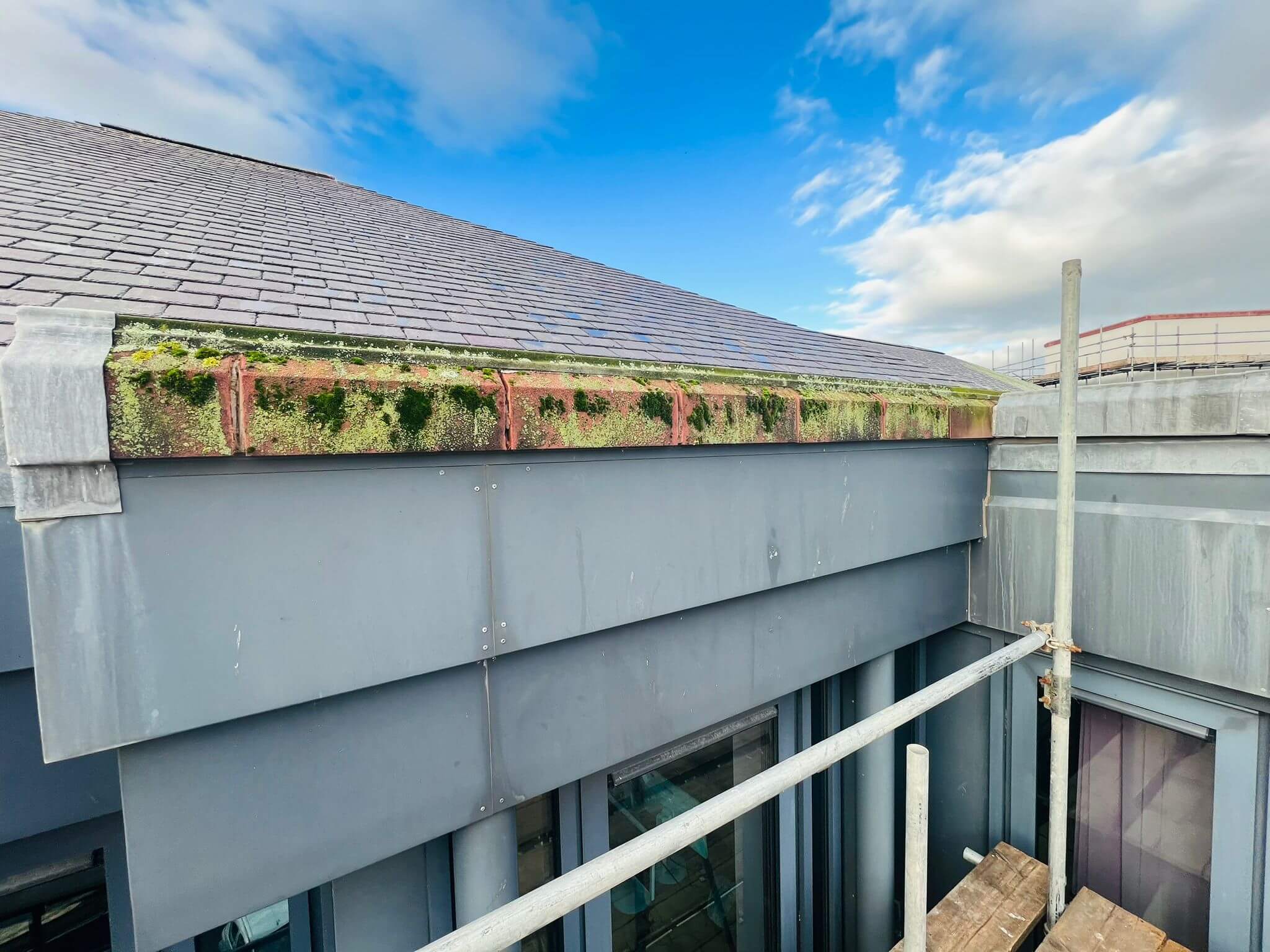
Heritage and listed buildings require a completely different approach to exterior cleaning compared to modern properties. Historic stone, traditional brickwork, lime mortar, and decorative masonry can all be easily damaged by aggressive cleaning methods, which is why steam cleaning has become one of the safest and most widely used solutions for conservation projects across the UK.
From churches and public buildings to period homes and historic façades, steam cleaning provides an effective way to remove dirt, algae, pollution, carbon staining, and biological growth while protecting the original surface beneath. When carried out correctly, it restores the appearance of the building without compromising its character or structural integrity.
Why Heritage Buildings Need Specialist Cleaning
Over time, exterior surfaces naturally collect contamination from weather, pollution, moss, algae, and general environmental exposure. On heritage properties, this build-up can become particularly noticeable due to the age and porosity of traditional materials.
Many listed buildings are constructed using softer materials that absorb moisture more easily than modern surfaces. This means dirt and organic growth can penetrate deeper into the surface, making incorrect cleaning methods especially risky.
Historic buildings are also more vulnerable to:
- Surface erosion
- Damaged mortar joints
- Water ingress
- Frost-related cracking
- Long-term deterioration caused by trapped moisture
Because of this, heritage cleaning should always focus on preserving the original building fabric rather than simply achieving the fastest clean possible.
What Is Steam Cleaning?
Exterior steam cleaning uses superheated water delivered at low pressure to safely remove contamination from surfaces.
Unlike pressure washing, which relies on force, steam cleaning relies on heat. The steam breaks down dirt, algae, paint, moss, carbon staining, and biological growth without aggressively impacting the surface.
Systems such as DOFF steam cleaning are commonly used for heritage and conservation projects because they combine low pressure with high temperatures, allowing surfaces to be cleaned gently but effectively.
This makes steam cleaning particularly suitable for delicate materials such as historic stone, brick, and lime mortar.
Why Low-Pressure Cleaning Matters
One of the biggest dangers to heritage buildings is high-pressure cleaning.
Pressure washing can strip away protective surface layers, damage pointing, erode stone, and force water deep into cracks and joints. Once moisture enters the structure, it can lead to damp issues, frost damage, and long-term deterioration.
Steam cleaning avoids these problems by using very low pressure. Instead of relying on force, it uses heat to loosen and lift contamination from the surface.
This allows the building to be cleaned safely while preserving the texture, appearance, and integrity of the original material.
Effective Removal of Algae, Moss, and Carbon Staining
Historic buildings are often affected by algae, moss, and lichen growth, especially in shaded or damp locations. These contaminants do more than affect appearance. They trap moisture against surfaces, increasing the risk of damage over time.
Steam cleaning is highly effective because the heat kills spores and biological growth at the source, helping reduce regrowth and keeping surfaces cleaner for longer.
Many heritage buildings also suffer from carbon staining caused by decades of atmospheric pollution. This is particularly common in towns and cities where airborne pollutants gradually darken stone and brick façades.
Steam cleaning safely removes these deposits without damaging the underlying material, helping restore the original appearance of the building.
Suitable for Historic Stone and Brickwork
Different heritage materials require different cleaning approaches, which is why professional experience is so important.
Steam cleaning is commonly used on:
- Sandstone
- Limestone
- Historic brickwork
- Terracotta
- Lime mortar
- Decorative masonry
- Stone carvings and detailing
Because the cleaning process is gentle, it helps preserve fine surface detail that could easily be damaged by abrasive or high-pressure methods.
This is particularly important for listed buildings where preserving original craftsmanship is a key part of conservation.
Reduced Water Usage and Faster Drying
Older buildings are often more sensitive to moisture than modern structures. Excessive water saturation can weaken mortar, increase damp issues, and cause damage internally.
Steam cleaning uses far less water than traditional pressure washing. Because the water is heated to a very high temperature, only a small amount is needed to clean the surface effectively.
This means surfaces dry much faster after cleaning, reducing the risk of water ingress and helping protect the building fabric.
A Safer and More Environmentally Friendly Solution
Another major benefit of steam cleaning is that it often requires minimal chemical use. In many cases, heat and water alone are enough to remove contamination effectively.
This makes steam cleaning more environmentally responsible and particularly suitable for sensitive heritage environments where harsh chemicals may not be appropriate.
By using low pressure and reduced water consumption, steam cleaning also lowers the risk of damage to surrounding landscaping and drainage systems.
Why Professional Steam Cleaning Matters
Cleaning heritage and listed buildings should always be carried out by experienced professionals who understand traditional building materials and conservation-safe cleaning methods.
Every building is different, and the wrong approach can cause irreversible damage. Professional exterior cleaning specialists assess the surface condition, type of contamination, and material before deciding on the most suitable cleaning method.
This ensures the building is cleaned safely while preserving its historic appearance and long-term condition.
Get In Touch Today
If your heritage property requires professional exterior cleaning, we can provide specialist steam cleaning solutions tailored to delicate and historic surfaces. Call 01745 289055 or email hello@servosuk.co.uk to arrange a free quote and discuss your heritage cleaning requirements today.