Exterior surfaces are constantly exposed to the elements. From changing weather conditions to pollution, organic growth, and everyday use, it doesn’t take long for buildings and outdoor areas to lose their clean appearance.
Whether it’s a stained driveway, discoloured render, or marked brickwork, most exterior surfaces will develop contamination over time. Understanding what causes these issues is the first step in preventing them and maintaining a clean, well-presented property.
In this guide, we explain why exterior surfaces get dirty, the most common types of contaminants found across UK properties, and how professional cleaning safely removes them.
Why Exterior Surfaces Become Contaminated
No exterior surface stays clean forever. Rain, wind, sunlight, and temperature changes all play a role in how surfaces age and accumulate dirt.
Moisture is one of the biggest contributing factors. Damp conditions allow organic growth such as algae and moss to develop, particularly in shaded or sheltered areas. At the same time, airborne pollutants from traffic and industry settle on surfaces, gradually building up into visible staining.
Over time, these contaminants combine to create a layered effect. What starts as a light film can become heavy staining if not addressed, affecting both the appearance and condition of the surface.
Organic Growth: Algae, Moss, and Lichen
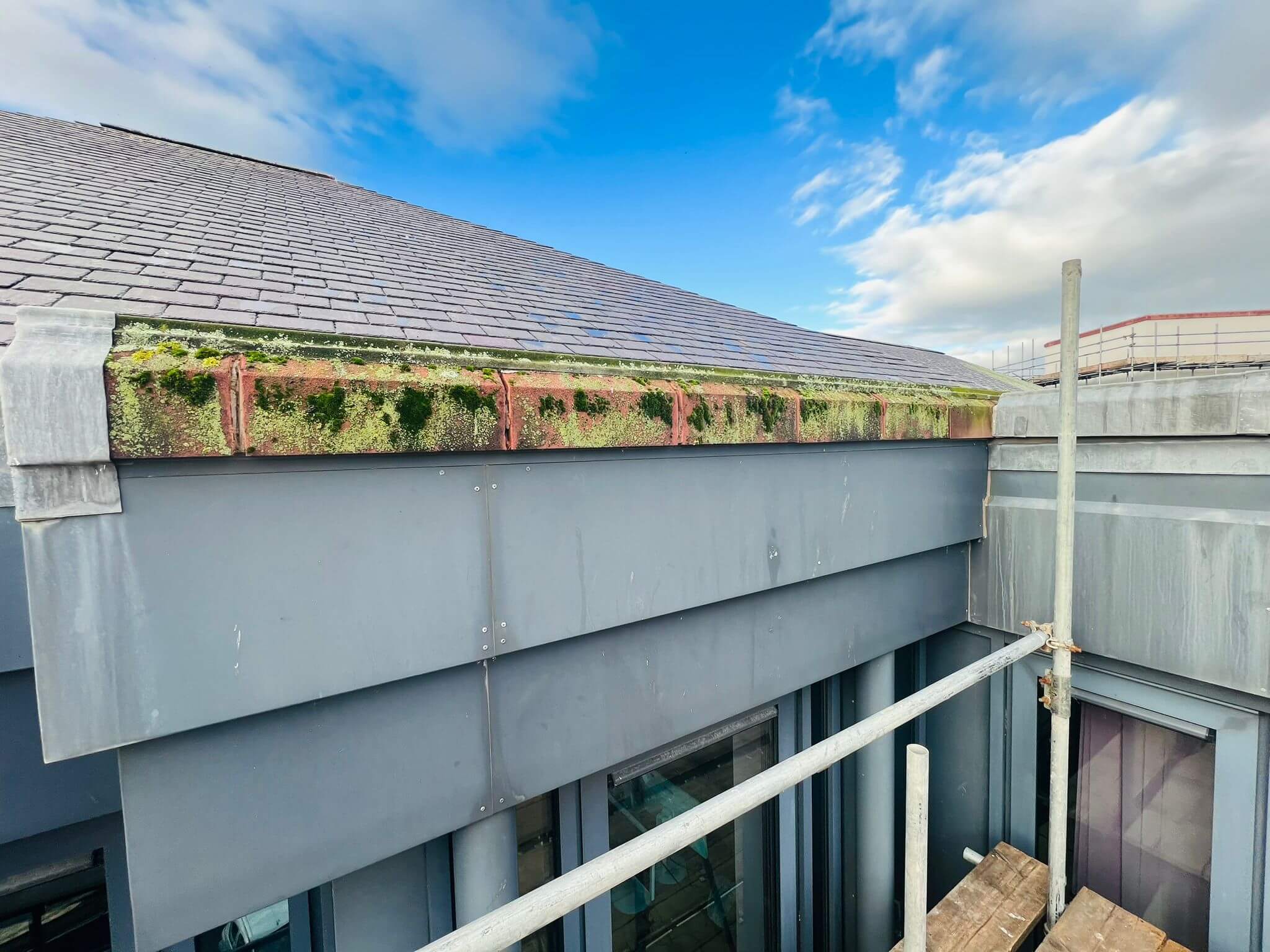
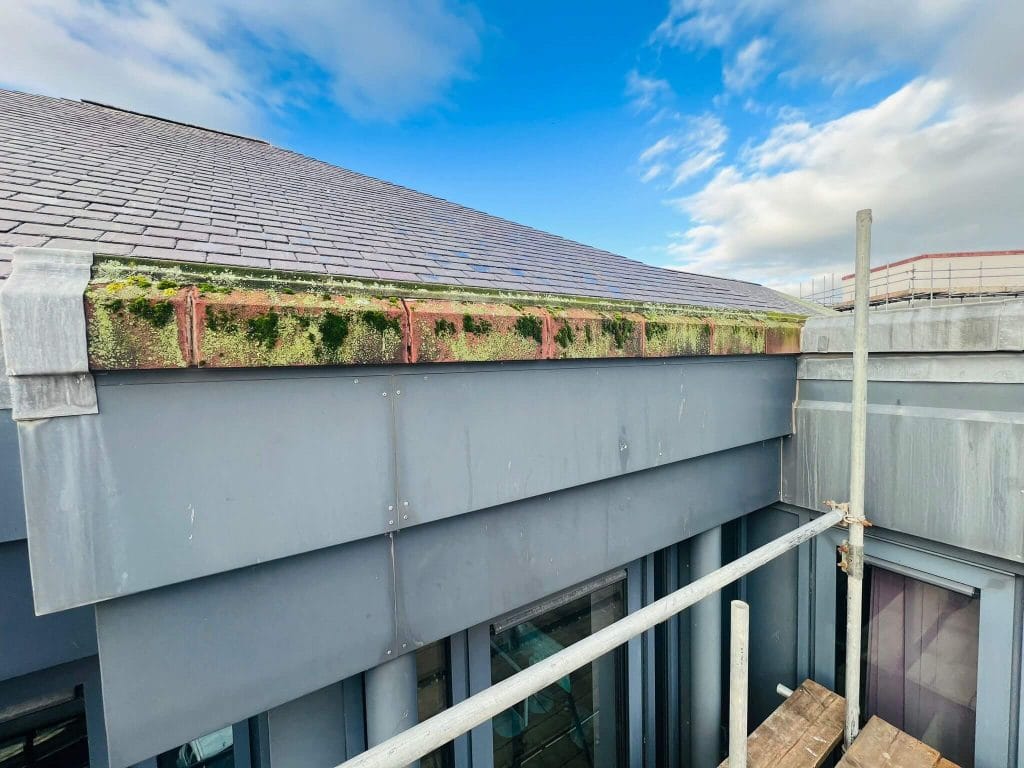
Organic growth is one of the most common causes of exterior staining in the UK. Algae, moss, and lichen thrive in damp conditions and can quickly spread across surfaces if left untreated.
Algae typically appears as green staining on walls, patios, and driveways, especially on north-facing elevations. Moss often develops on roofs and paving, where it can retain moisture and create slip hazards. Lichen forms crust-like patches that can be more difficult to remove.
These contaminants not only affect appearance but can also contribute to long-term surface wear by holding moisture against materials.
For more detailed information, see our dedicated pages on algae removal and moss and lichen removal.
Atmospheric Pollution and General Grime
In urban and high-traffic areas, pollution is a major cause of surface discolouration. Airborne particles from vehicle emissions and industrial activity settle onto buildings, creating dull, dark staining over time.
This type of contamination is particularly noticeable on stone, brick, and render, where it can form streaks or uneven patches. When combined with moisture, pollutants can penetrate the surface and become more difficult to remove.
Learn more about how this affects buildings on our atmospheric pollution cleaning page.
Chewing Gum and Surface Residue
Chewing gum is a common problem in busy public areas. Once dropped, it bonds to hard surfaces and becomes difficult to remove without specialist equipment.
Over time, repeated deposits create a build-up that leaves pavements and entrances looking dirty and poorly maintained. Gum can also contribute to slip risks and hygiene concerns in high footfall areas.
Professional chewing gum removal uses high-temperature steam to break down and lift the residue safely from the surface.
Graffiti and Paint Contamination
Graffiti and unwanted paint can have a significant impact on the appearance of a property. Whether caused by vandalism, accidental spills, or overspray, paint can bond strongly to surfaces and be difficult to remove.
Graffiti is often associated with neglect and can affect both residential and commercial properties. Similarly, paint contamination from construction or maintenance work can leave surfaces looking untidy.
Specialist cleaning methods are required to remove paint safely without damaging the underlying material. You can explore this further on our graffiti removal and paint removal pages.
Oil and Grease Stains
Oil and grease stains are commonly found on driveways, car parks, and commercial areas. These substances penetrate porous materials such as concrete and stone, leaving dark, stubborn marks.
Vehicle leaks, machinery use, and food spills are typical causes. Once absorbed, oil can spread within the surface, making it more difficult to remove over time.
Professional oil and grease removal treatments are designed to break down these substances and lift them from deep within the material.
Rust and Mineral Staining
Rust staining is another common issue, particularly on surfaces exposed to metal fixtures. When metal reacts with moisture, it produces rust that can spread onto surrounding materials.
This often appears as red or brown streaks on brick, stone, and render. Over time, these stains can become more visible and harder to remove.
Mineral-related staining, such as carbonate staining or efflorescence, can also affect exterior surfaces. These are caused by water carrying salts or minerals to the surface, leaving visible deposits behind.
For more information, see our pages on rust staining removal, carbonate staining removal, and efflorescence removal.
Fly Posters, Stickers, and Adhesive Residue
Fly posters and stickers are another common form of surface contamination, particularly in busy or public-facing areas. These materials are often applied without permission and can be difficult to remove due to strong adhesives.
Over time, multiple layers can build up, leaving behind residue that attracts dirt and grime. This can make surfaces look cluttered and poorly maintained.
Professional cleaning removes both the material and any remaining adhesive, restoring a clean finish.
Why Professional Exterior Cleaning Matters
While some surface contamination may seem minor, leaving it untreated can lead to more significant issues over time.
Organic growth can create slip hazards and retain moisture, increasing the risk of surface damage. Pollution and staining can penetrate materials, making them harder to restore. Paint, oil, and adhesives can bond to surfaces, requiring specialist removal techniques.
Professional exterior cleaning ensures contaminants are removed safely and effectively. Using the correct methods for each surface prevents damage while delivering long-lasting results.
Preventing Exterior Surfaces from Getting Dirty
Although it’s impossible to completely prevent contamination, regular maintenance can significantly reduce build-up.
Keeping gutters clear, improving drainage, and trimming back vegetation can help minimise moisture-related growth. Routine cleaning prevents contaminants from becoming deeply embedded and more difficult to remove.
For commercial properties and high footfall areas, scheduled maintenance cleaning is particularly effective in maintaining a clean and professional appearance.
Restore and Protect Your Exterior Surfaces
Exterior surfaces naturally become dirty over time, but with the right approach, they can be restored and protected for the long term.
By understanding the causes of contamination and acting early, property owners can maintain the appearance, safety, and condition of their buildings and outdoor areas.
If your property is affected by algae, staining, graffiti, or any other type of contamination, professional cleaning can make a significant difference. Call 01745 289055 or email hello@servosuk.co.uk to arrange a free quote and restore your exterior surfaces safely and effectively.