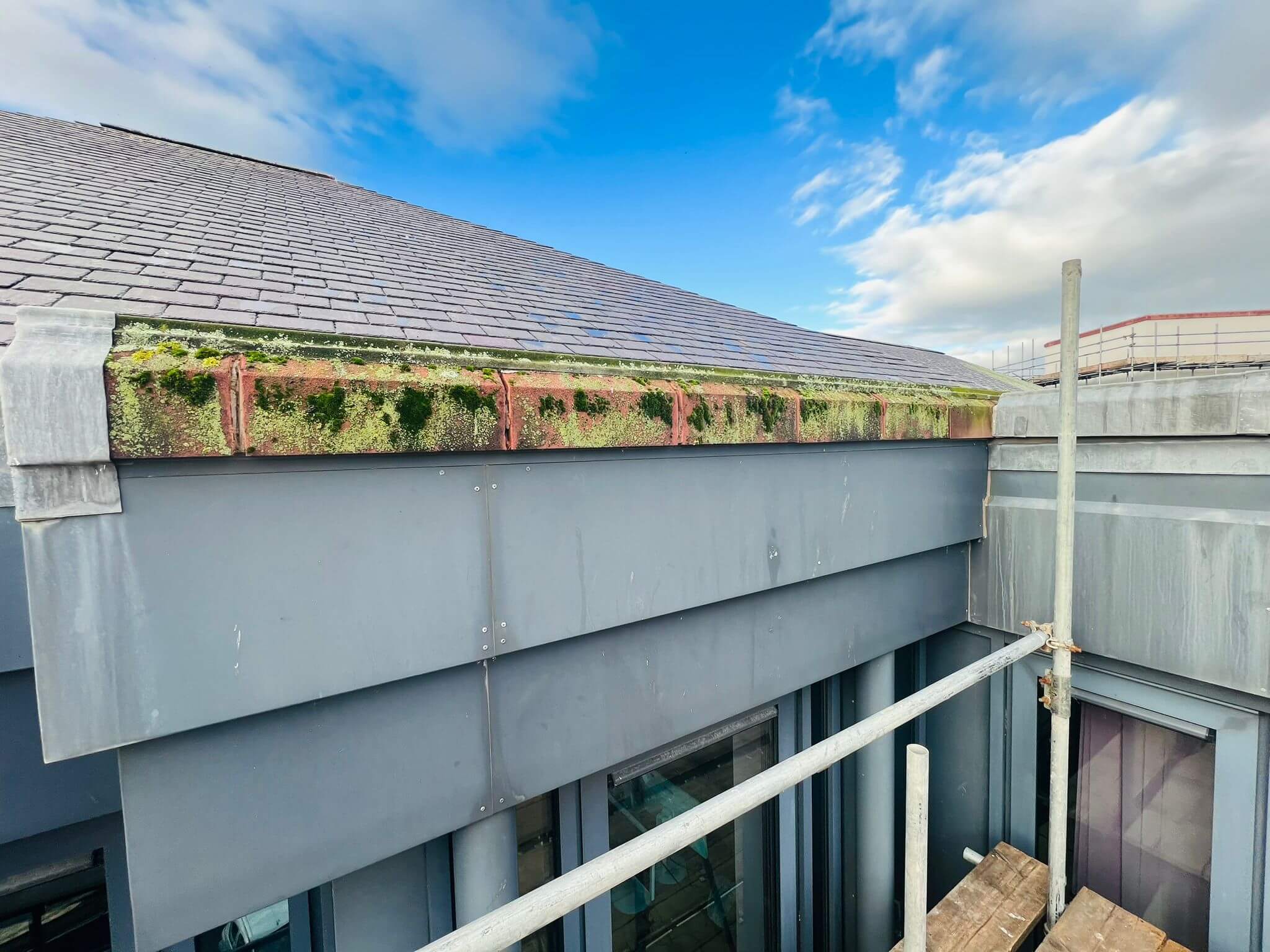
For property managers, maintaining building exteriors is about far more than aesthetics. Cladding plays a critical role in protecting the structure beneath, supporting energy efficiency, and shaping how a property is perceived by tenants, visitors, and stakeholders. Without a clear, planned approach to cladding maintenance, issues such as staining, corrosion, algae growth, and long-term material degradation can quickly escalate into costly repairs or compliance concerns.
This guide is designed to help property managers plan an effective annual cladding maintenance programme. It covers why cladding maintenance matters, how to assess different cladding types, what an annual plan should include, and how professional cleaning and inspections help protect both buildings and budgets.

Why Annual Cladding Maintenance Is Essential
Cladding is constantly exposed to the elements. Rain, wind, pollution, UV exposure, and organic growth all take their toll over time. Even materials marketed as “low maintenance” will degrade if left unchecked.
For property managers responsible for commercial buildings, residential blocks, or mixed-use developments, poor cladding conditions can lead to several risks. These include water ingress behind panels, deterioration of fixings, reduced thermal performance, and a decline in overall building appearance. In some cases, neglected cladding can also raise concerns during inspections or insurance assessments.
Annual cladding maintenance helps identify problems early, before they develop into structural or compliance issues. It also allows maintenance costs to be forecast and managed rather than reacting to unexpected failures.
Understanding Different Cladding Types
Before planning any maintenance schedule, it’s essential to understand the type of cladding installed on each property. Different materials respond differently to weathering and require specific cleaning and care methods.
Metal cladding, such as aluminium or steel panels, is commonly used on commercial and industrial buildings. While durable, it is prone to traffic film staining, corrosion around fixings, and surface dulling if not cleaned regularly.
UPVC and composite cladding are popular for residential and mixed-use developments. These materials can suffer from algae growth, fading, and staining, particularly on shaded elevations.
Render-based cladding systems, including silicone or acrylic finishes, are highly susceptible to algae and discolouration. Incorrect cleaning methods can damage the surface, making specialist softwashing essential.
Timber cladding requires careful attention to prevent moisture retention, biological growth, and surface degradation. Maintenance often includes cleaning alongside protective treatments.
Understanding the material makeup of each façade ensures the maintenance plan uses appropriate, non-damaging techniques.
The Role of Cleaning in Cladding Maintenance
Cleaning is one of the most important aspects of cladding maintenance, yet it is also one of the most misunderstood. Many assume cladding only needs attention when it visibly looks dirty. In reality, contaminants often begin causing damage long before staining becomes obvious.
Organic growth such as algae and moss traps moisture against cladding surfaces. Over time, this increases the risk of corrosion, staining, and material breakdown. Pollution particles and traffic film can also degrade coatings and finishes if left in place for long periods.
Professional cladding cleaning removes these contaminants safely and helps preserve the integrity of the cladding system. Annual cleaning, planned at the right time of year, significantly extends the lifespan of façade materials and reduces the likelihood of major refurbishment.
Why Annual Planning Works Better Than Reactive Maintenance
Reactive maintenance often costs more than planned maintenance. When cladding issues are only addressed after damage becomes visible, the required work is usually more extensive and disruptive.
An annual cladding maintenance plan allows property managers to schedule inspections, cleaning, and minor repairs in a controlled way. This approach helps avoid emergency call-outs, unplanned access costs, and tenant disruption.
Planned maintenance also supports budgeting and reporting. Costs can be forecast annually, making it easier to manage service charges and maintenance funds across portfolios.
Building an Annual Cladding Maintenance Schedule
A structured maintenance schedule should be tailored to each building, but there are core elements every property manager should include.
The first stage is a visual inspection of all elevations. This should identify staining, algae growth, damaged panels, loose fixings, sealant failures, and signs of water ingress. Inspections are particularly important after winter, when freeze-thaw cycles and heavy rainfall can cause hidden damage.
The next step is scheduled cleaning. For most buildings, annual cleaning is sufficient, although properties in high-pollution or coastal areas may require more frequent attention. Cleaning should always be carried out using methods suitable for the specific cladding type, such as softwashing or low-pressure steam systems.
Minor remedial works should be addressed promptly. This may include tightening fixings, replacing damaged panels, or resealing joints. Tackling these issues early prevents them from developing into larger structural problems.
Finally, documentation should be updated. Records of inspections, cleaning methods, and any remedial work carried out are essential for compliance, asset management, and future planning.
Timing Your Cladding Maintenance Correctly
Choosing the right time of year for cladding maintenance is just as important as the work itself. Many property managers prefer spring or summer, but this isn’t always the best option.
Late winter or early spring is ideal for inspections, as it allows damage caused by harsh weather to be identified early. Cleaning can then be scheduled before organic growth becomes more established in warmer months.
Autumn cleaning is also beneficial, particularly for properties surrounded by trees or exposed to heavy rainfall. Removing debris and growth before winter helps reduce moisture retention and surface deterioration.
A professional contractor can advise on the most suitable maintenance windows based on location, cladding type, and building usage.
Health, Safety, and Compliance Considerations
Cladding maintenance often involves working at height, making health and safety a top priority. Property managers have a duty of care to ensure all work is carried out safely and in compliance with regulations.
Professional cladding cleaning contractors should provide full risk assessments and method statements (RAMS). They should also be trained and accredited for access methods such as MEWPs, scaffolding, or rope access, where required.
Environmental compliance is another important consideration. Responsible contractors use controlled cleaning methods, biodegradable solutions where appropriate, and ensure wastewater is managed correctly to prevent contamination.
Choosing a qualified, insured contractor is essential to protect both the building and those responsible for its management.
The Long-Term Benefits of Professional Cladding Maintenance
Investing in regular, professional cladding maintenance delivers measurable long-term benefits.
Buildings retain a cleaner, more professional appearance, supporting tenant satisfaction and brand perception. Materials last longer, reducing the need for costly replacement or refurbishment. Minor issues are identified early, helping prevent water ingress and structural damage.
From a financial perspective, planned maintenance helps control costs, reduce emergency repairs, and protect asset value. It also demonstrates proactive management, which is increasingly important for investors, insurers, and regulatory bodies.
Common Mistakes Property Managers Should Avoid
One of the most common mistakes is using inappropriate cleaning methods. High-pressure washing may appear effective, but it can cause irreversible damage to many cladding systems.
Another mistake is inconsistent maintenance across a portfolio. Treating each building differently without a clear plan often leads to uneven standards and unpredictable costs.
Finally, overlooking documentation can cause issues later. Maintenance records are essential for demonstrating compliance, supporting insurance claims, and planning future budgets.
Working with the Right Cladding Maintenance Partner
Choosing the right contractor is key to a successful annual maintenance plan. Look for specialists with experience across different cladding systems, a strong understanding of building fabrics, and proven safety credentials.
A reliable contractor will carry out detailed assessments, recommend appropriate cleaning methods, and provide clear reporting after each visit. They will also work flexibly around tenants and site operations to minimise disruption.
Long-term partnerships with trusted contractors often deliver better results than one-off services, as familiarity with the building allows for more effective ongoing care.
Future-Proofing Your Cladding Maintenance Strategy
As sustainability and energy efficiency become increasingly important, cladding maintenance plays a growing role in building performance. Clean, well-maintained façades support insulation systems, reduce moisture-related heat loss, and help buildings perform as designed.
Regular maintenance also prepares buildings for future upgrades, such as re-coating, refurbishment, or compliance improvements. Clean, well-documented cladding systems are far easier to assess and adapt when requirements change.
Take Control of Your Annual Cladding Maintenance
For property managers, cladding maintenance should never be an afterthought. With the right planning, annual maintenance protects buildings, controls costs, and supports long-term asset value.
A structured approach that includes inspections, professional cleaning, minor repairs, and clear documentation ensures cladding systems remain safe, functional, and visually appealing year after year.
If you’re responsible for managing one building or an entire portfolio, investing time in planning annual cladding maintenance is one of the most effective ways to protect both your properties and your reputation.
Ready to plan your annual cladding maintenance properly?
Contact Servos Exterior Cleaning to discuss a tailored cladding maintenance programme designed around your buildings, budgets, and compliance needs.
Call 01745 289055 or email hello@servosuk.co.uk to arrange a consultation and keep your façades protected all year round