
Carbonate Staining Removal (Lime Run)
Carbonate staining, often referred to as lime run, is a common issue on brick and stone surfaces. It appears as hard white or grey streaks that run down from mortar joints, cracks, or gaps in the structure.
Carbonate staining is frequently seen on new builds as well as older properties. While it may initially seem like a surface issue, it can become more noticeable over time if left untreated.
We provide professional carbonate staining removal using safe, effective cleaning methods designed to restore surfaces without causing damage.
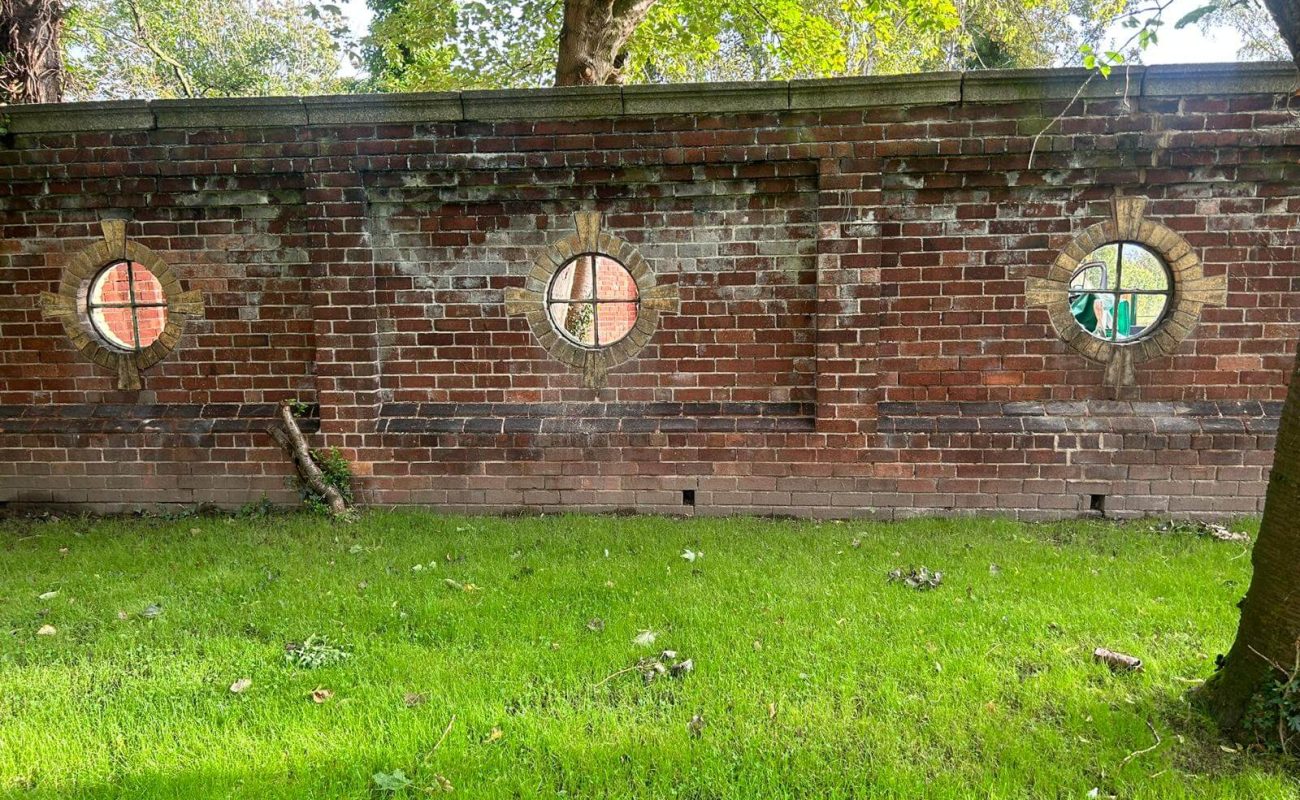
What Causes Carbonate Staining?
Carbonate staining occurs when water passes through mortar joints or small cracks, carrying dissolved lime and minerals to the surface.
As the water evaporates, it leaves behind a hardened deposit that forms visible streaks or crusts on the surface. This process is often linked to excess moisture, poor drainage, or newly laid materials where lime content is higher.
Unlike efflorescence, carbonate staining does not disappear when wet and tends to form more solid, persistent marks.
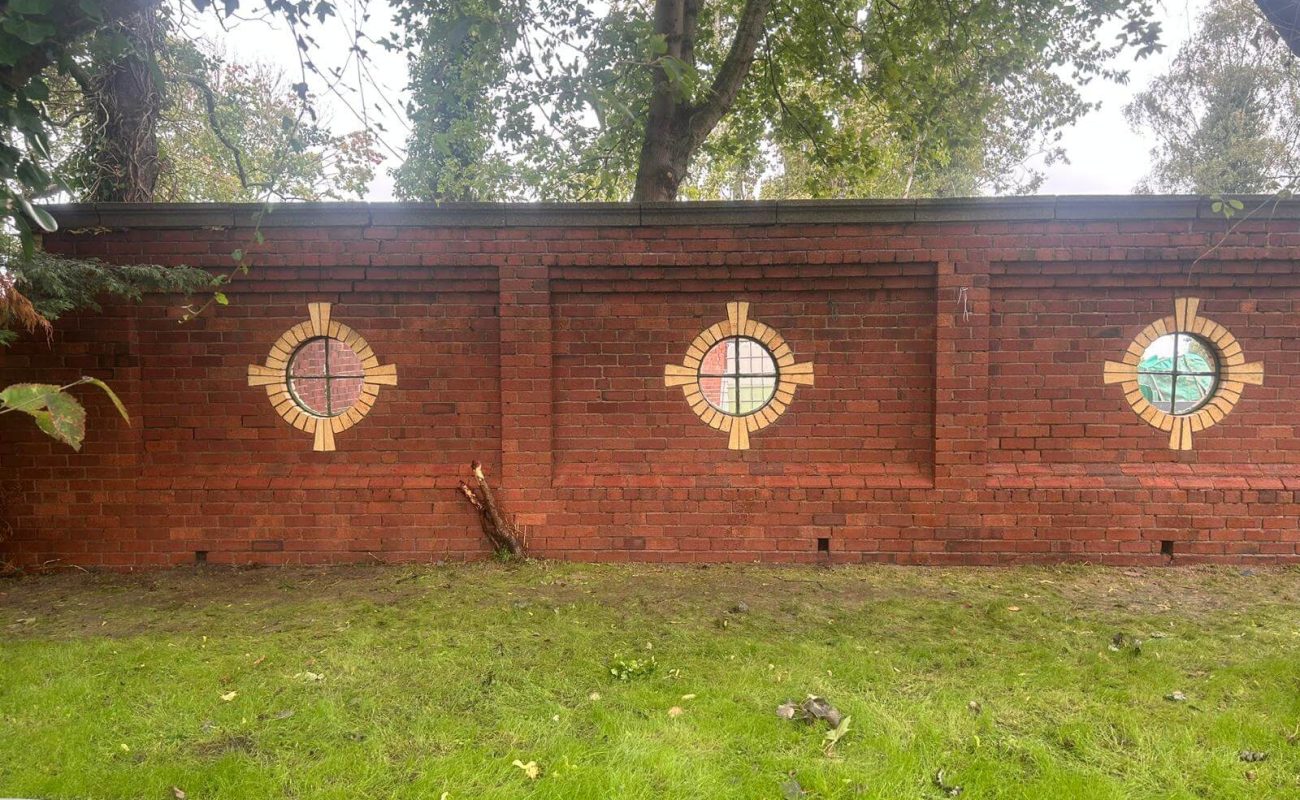
Our Carbonate Staining Removal Process
We use specialist cleaning techniques to safely remove carbonate staining without damaging the underlying surface.
The process begins with a full assessment to determine the severity of the staining and the type of material affected. We then apply targeted treatments designed to break down and lift the hardened deposits.
In some cases, controlled steam cleaning may be used to assist with removal while protecting the surface. This ensures effective results without causing unnecessary wear.
Where Carbonate Staining Commonly Appears
Carbonate staining is most commonly found on brickwork, stone façades, and masonry surfaces. It often appears beneath mortar joints, along wall surfaces, or below areas where water regularly runs, such as parapets, window sills, and roof edgesThe staining is particularly noticeable on darker materials, where the white or grey deposits stand out more clearly.
Why Carbonate Staining Should Be Removed
Carbonate staining can have a significant impact on the appearance of a building, making surfaces look streaked and poorly maintained. While it is not always structurally damaging, it is often a sign of ongoing moisture movement within the wall. If left untreated, this can lead to further staining and ongoing aesthetic issues. Professional removal helps restore the appearance of the surface and address the visible effects of the problem.
Preventing Carbonate Staining
While carbonate staining can be difficult to prevent entirely, there are steps that can help reduce its occurrence. Improving drainage and reducing water ingress into masonry can limit the movement of minerals to the surface. Ensuring mortar joints and surfaces are properly maintained can also help minimise staining. Regular inspection and early cleaning can prevent deposits from becoming heavily built up and more difficult to remove.
Carbonate Staining Removal for Homes and Businesses
If carbonate staining is affecting the appearance of your property, professional cleaning can restore surfaces safely and effectively. We provide carbonate staining removal for both residential and commercial properties, helping maintain clean, well-presented buildings.
Call 01745 289055 or email hello@servosuk.co.uk to arrange your free quote today.
Free Carbonate Staining Removal Quote
Simply complete our contact form and we will contact you within 1 working day.
Carbonate Staining Removal FAQ'S
What is carbonate staining?
It is a hard white or grey deposit caused by lime and minerals being carried to the surface by water.
How is it different from efflorescence?
Efflorescence is powdery and disappears when wet, whereas carbonate staining is harder and remains visible.
Can carbonate staining be removed completely?
In most cases, yes. Results depend on the severity and how long the staining has been present.
Can carbonate staining be removed completely?
In most cases, yes. Results depend on the severity and how long the staining has been present.
Is the removal process safe for brick and stone?
Yes, we use controlled methods designed to protect the surface while removing the deposits.
Contact us today to find out more about our carbonate staining removal service
Call or email us today
Enquiry Form